
Renovating a home brings a wave of excitement mixed with a flurry of decisions. You stand in the middle of a showroom, surrounded by beautiful samples, and suddenly the choices feel overwhelming—decision fatigue takes center stage.
One of the most common questions our design team hears involves the difference between two very similar-looking materials. You might find yourself holding two samples that look identical, yet one carries a higher price tag or a different technical rating. This scenario plays out daily in our showrooms. We’re helping you settle the score, discussing what designers pick: porcelain tiles or ceramic tiles.
Designers often look at water absorption ratings first. The industry defines porcelain by its low absorption rate. To qualify as genuine porcelain, a tile must absorb less than 0.5 percent of its weight in water. This impervious nature makes it the champion for steam showers, outdoor patios, and swimming pools.
Ceramic is more porous. It absorbs more water, which means it might not suit every environment. If water seeps into the tile and then freezes, the expansion can crack the material. Therefore, you rarely see standard ceramic used outdoors in climates that experience freezing temperatures. For indoor bathrooms, glazed ceramic works perfectly fine, but for the shower floor itself, porcelain often wins the recommendation.
Think about the foot traffic in your entryway or kitchen. Kids drop toys, pets scramble for food, and guests track in dirt. You need a floor that resists wear and tear. Porcelain is denser and harder than ceramic. It resists scratches, chips, and stains with impressive resilience. Many porcelain tiles also feature through-body color. If you manage to chip a piece of through-body porcelain, the color remains consistent all the way through, making the damage nearly invisible.
Ceramic, while durable, is softer. A heavy pot dropped on a ceramic kitchen floor might reveal the red clay body underneath the glaze. However, this softness serves a purpose. It makes ceramic easier to cut and install.
Designers love ceramic tile for specific applications. Since it’s lighter and easier to cut, it works beautifully on walls. A ceramic subway tile backsplash offers timeless appeal without the heavy weight or cutting difficulty of porcelain. It also serves well in low-traffic areas like guest bathrooms or laundry rooms where heavy impacts are unlikely.
Because ceramic is more porous, it holds glazes beautifully. You often find vibrant, artistic, and highly textured options in ceramic collections that porcelain lines might not replicate as easily. If you want a decorative feature wall or a unique backsplash design, ceramic often provides the most artistic flexibility.
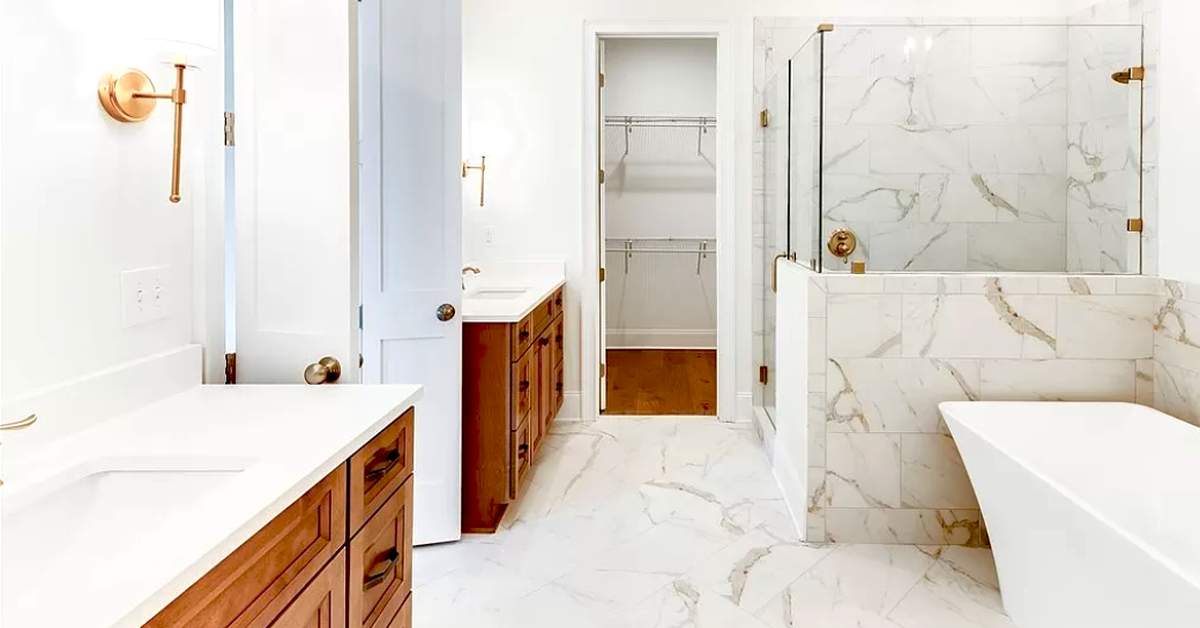
Porcelain takes the lead when performance matters most. Commercial spaces, outdoor areas, and main floor living areas benefit from porcelain’s toughness. If you want the look of hardwood floors in a bathroom or a mudroom, wood-look porcelain planks offer a fantastic solution. They resist moisture in ways real wood never could.
We also recommend porcelain for countertops (in large slab formats) and heavy-use hallways. Its resistance to harsh cleaning chemicals and staining makes it a practical choice for busy households.
Budget plays an important role in any renovation. Generally speaking, ceramic tile costs less than porcelain. The manufacturing process for ceramic is less energy-intensive, and the materials are more widely available. If you have a large area to cover and need to keep costs down, ceramic offers a budget-friendly way to achieve a high-end look.
Porcelain commands a higher price due to the refined clay and higher firing temperatures. However, you must weigh the upfront cost against longevity. A porcelain floor might last decades longer in a high-traffic area, providing better value over the life of the home.
DIY enthusiasts should pay attention here. Ceramic is easier to work with. You can cut it with a simple snap cutter or a standard wet saw. The material yields easily, making intricate cuts around outlets or plumbing fixtures less frustrating.
Porcelain is brittle and hard. Cutting it requires a diamond blade and often a high-quality wet saw. It can crack if you do not handle it correctly during the cutting process. Because the material is heavier, it also requires a specific type of modified thin-set mortar for proper bonding. We often suggest professional installation for porcelain to ensure the results match your vision.
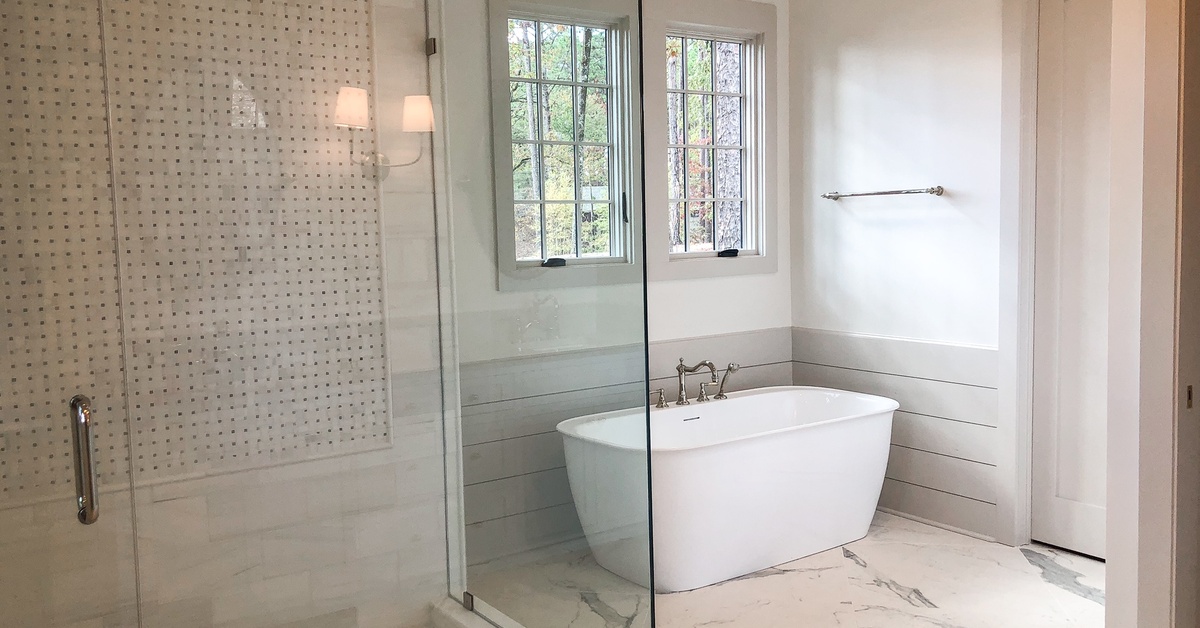
Decades ago, porcelain looked functional and ceramic looked decorative. Technology is blurring those lines. Digital inkjet printing allows manufacturers to print hyper-realistic images onto both materials. You can find:
Both ceramic and porcelain tile collections now offer incredible variety. You no longer have to sacrifice style for durability, or vice versa. The choice comes down to the application rather than just the aesthetic.
The good news is that each material is relatively low maintenance compared to carpet or hardwood. You can sweep and mop them easily. Glazed ceramic and porcelain are highly resistant to staining.
The main difference lies in the grout. Since you often use porcelain in wetter or dirtier environments, the grout lines face more abuse. We recommend using high-quality sealers or epoxy grout in these areas to keep the maintenance manageable. For the tile itself, standard pH-neutral cleaners work wonders on both surfaces.
Your home deserves the best materials suited to your lifestyle. It’s important that you understand these designer nuances between porcelain and ceramic tile to ensure you don’t just buy a look, but a lasting solution.
At Robert F. Henry Tile Company, our team in Alabama and Tennessee stands ready to walk you through these options in any of our showrooms. We invite you to touch the textures, see the colors in the light, and let us help you find the perfect match for your next project. Visit one of our eight locations today to start your design journey.
