
Interior designers rarely rely on trends alone. They lean on materials that deliver durability, versatility, and strong visual impact. Porcelain tiles consistently earn a top spot in their project plans for these exact reasons. When homeowners want elevated results without sacrificing performance, designers reach for porcelain every time.
At Robert F. Henry Tile Company, we work alongside designers and homeowners who want refined spaces that feel intentional. Porcelain tile offers the flexibility to shape those spaces with precision and personality. The right design choices transform simple tile into a defining feature. These are the porcelain tile design hacks interior designers truly swear by.
Use Large-Format Tile To Expand a Room Visually
Designers often choose large-format porcelain tiles to make rooms feel expansive and cohesive. Fewer grout lines create cleaner sightlines and reduce visual clutter. That seamless look draws the eye outward and makes square footage feel larger. Even compact bathrooms and entryways gain an open, breathable feel.
Large tiles also deliver a modern, architectural aesthetic. Designers align them carefully to maintain symmetry and flow. Our installers lay them with precision so that the floor or wall reads as one continuous surface. That subtle consistency instantly elevates the room.
Run Tile Beyond the Floor
Many homeowners stop tiles at the floor, but designers think bigger. They extend porcelain tile up walls, around vanities, and even onto ceilings for dramatic effect. This technique creates depth and introduces texture without adding extra materials. A continuous surface also strengthens a room’s design story.
In bathrooms, full-height porcelain tiles eliminate awkward transitions. In kitchens, wrapping tiles behind open shelving sharpens the visual frame. Designers often use this approach in living spaces to anchor fireplaces or feature walls. The result feels curated instead of pieced together.
Choose Matte Finishes for a Softer Luxury
High-gloss tiles once dominated modern design. Today’s designers lean toward matte and satin finishes for a more grounded sophistication. Matte porcelain tile absorbs light instead of reflecting it harshly. This subtle quality adds warmth and depth to contemporary interiors.
Matte finishes also conceal smudges and footprints more effectively. Designers appreciate this practical advantage in high-traffic areas. Kitchens, mudrooms, and busy family spaces benefit from the balance of beauty and function. Clients gain a polished look without constant upkeep.
Play With Pattern Scale for Impact
Designers treat pattern like artwork. They adjust the scale of a porcelain tile pattern to shape the room’s mood. Large-scale veining or bold geometric layouts create statement moments. Smaller, intricate designs add texture without overwhelming the space.
The key here depends on contrast and balance. Designers often pair bold patterned tiles with neutral cabinetry or streamlined fixtures. This approach keeps the room dynamic yet cohesive. The right pattern transforms a simple renovation into a signature design.
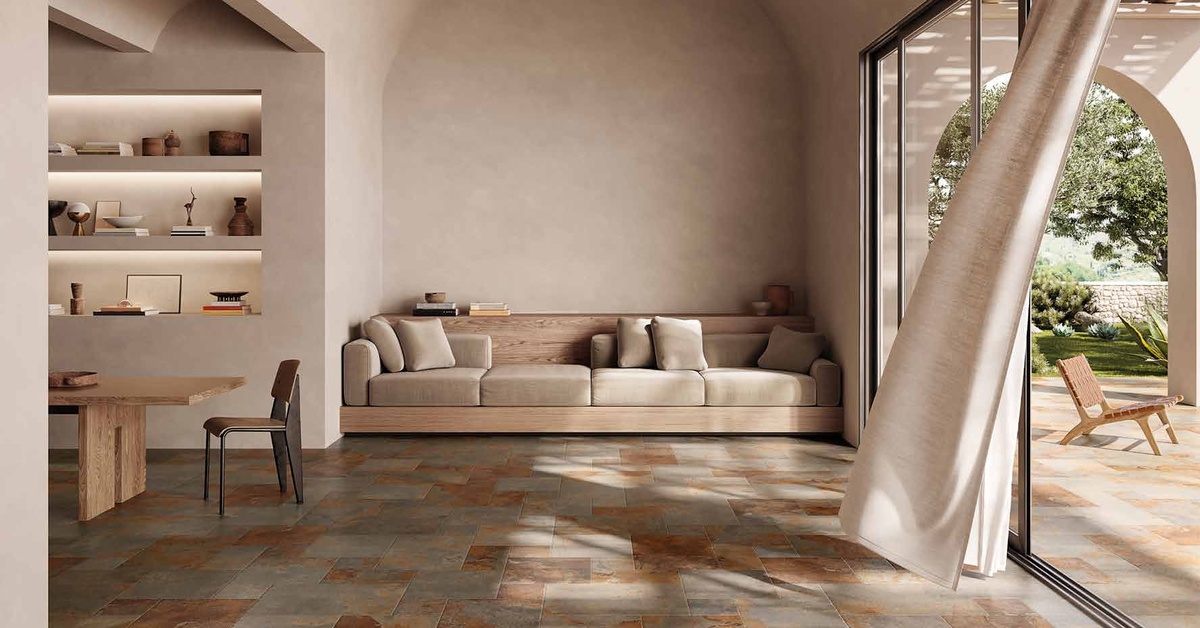
Create Seamless Indoor-Outdoor Transitions
Porcelain tile performs beautifully in interior and exterior settings. Designers use that strength to blur the boundary between indoors and outdoors. Matching or coordinating tiles across thresholds creates continuity and flow. As a result, entertaining areas feel larger and more integrated.
Covered patios, sunrooms, and kitchen extensions benefit most from this design hack. Designers select slip-resistant finishes for safety without sacrificing style. The consistent material anchors the overall design. Homeowners can enjoy a unified space that feels intentional from every angle.
Use Porcelain To Mimic Natural Materials
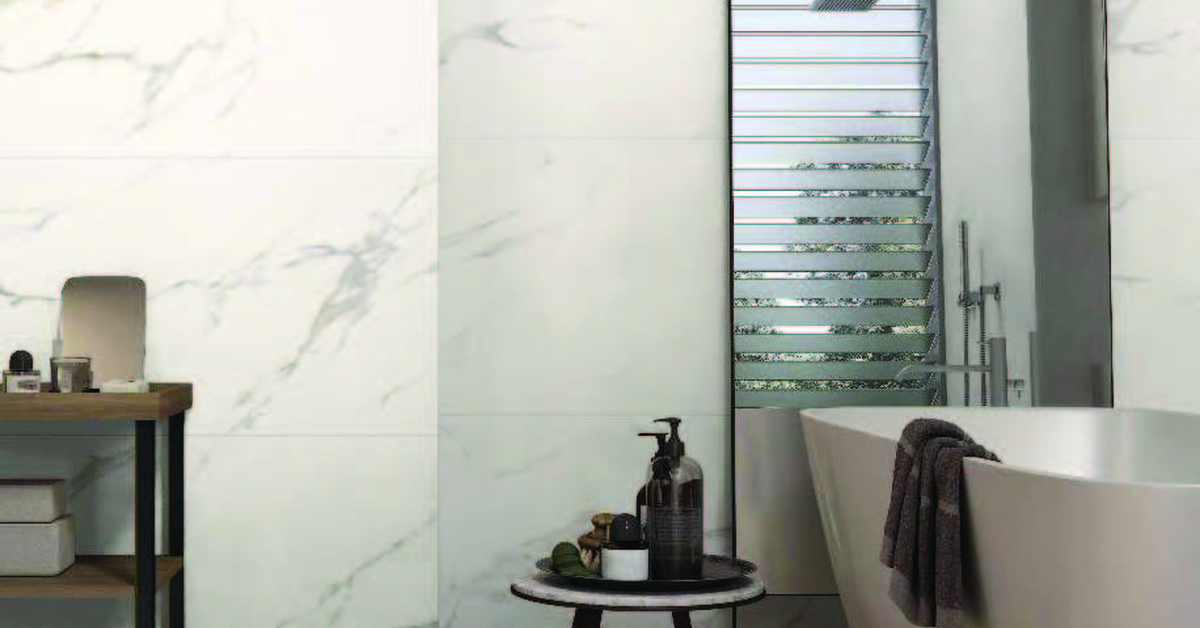
Porcelain tile replicates marble, limestone, wood, and concrete with impressive realism. Designers use these looks strategically to control cost and maintenance. A marble-look porcelain tile offers elegance without the vulnerability of natural stone. A wood-look porcelain floor delivers warmth with superior durability.
This approach works especially well in moisture-prone areas. Bathrooms and kitchens gain the visual richness of natural materials without long-term concerns. Designers also mix real and porcelain materials thoughtfully for contrast. The combination keeps the design authentic yet practical.
For clients exploring porcelain tiles in Birmingham, our designers can guide you toward realistic stone visuals that complement Southern architecture while holding up to humidity and daily wear.
Embrace Monochromatic Layering
Bold contrast has its place, but designers often choose tonal layering for refined interiors. They select porcelain tiles within the same color family but vary texture or scale. This technique builds interest without overwhelming the eye, making the space feel calm yet dimensional.
For example, a soft gray floor tile might pair with a slightly darker shower wall tile. Subtle variation creates depth while maintaining harmony. Designers repeat this strategy in kitchens with backsplash and flooring coordination. The layered look feels curated rather than accidental.
Highlight Architectural Features With Tile Framing
Designers often use porcelain tiles to frame architectural features intentionally. They outline niches, accentuate fireplaces, or define shower enclosures with contrasting tile shapes. This method draws attention to focal points without adding clutter. Clean lines keep the design sharp and purposeful.
Rectangular tiles installed vertically can emphasize ceiling height. A contrasting border tile can define a cooking zone in an open kitchen. Designers rely on these subtle framing tricks to guide the eye naturally, creating memorable impact with just small details.
Prioritize Layout Direction for Visual Flow
Tile direction changes the way a room feels instantly. Designers carefully consider whether to run porcelain tile parallel, perpendicular, or diagonally. Each layout influences movement and perception. Strategic direction enhances flow between rooms.
In narrow spaces, designers often run tile lengthwise to elongate the room. In open-concept areas, they align tile with the primary sightline for continuity. Herringbone or chevron layouts introduce movement without adding color. Layout decisions quietly shape the entire experience of a space.
Designer-Approved Porcelain Tile Tips at a Glance
- Select large-format tiles to reduce grout lines.
- Extend tile onto walls for a cohesive effect.
- Choose matte finishes for warmth and practicality.
- Balance bold patterns with neutral elements.
- Align tile direction with natural sightlines.
These principles help homeowners think like designers during their renovation. Simple adjustments create dramatic upgrades, and intentional planning always outperforms impulse decisions.
Partner With Experts Who Understand Design Goals
Designers value partners who understand technical performance and visual detail. At Robert F. Henry Tile Company, we help clients explore porcelain collections that align with their project goals. Our team understands how scale, finish, and layout affect the final result. We guide selections that balance creativity and practicality.
Whether you are remodeling a single bathroom or designing a full custom home, porcelain tile offers unmatched flexibility. Designers trust it because it adapts to evolving styles without losing strength. Homeowners appreciate the confidence that comes with durable beauty. When you apply these porcelain tile design hacks, your space transforms with intention and impact. Visit one of our eight beautiful showrooms to view our tile selection and work hand-in-hand with a trusted representative who can help you find the perfect fit.