
Choosing tile can shape the entire look, feel, and function of a room, so the right selection deserves careful thought. Homeowners, designers, builders, and remodelers have countless colors, patterns, materials, sizes, and finishes to consider before making a final decision. A beautiful tile should complement the design while also meeting the practical demands of the space where you plan to install it. Understanding the basics before you shop can make the selection process easier and help you feel confident about your investment. Robert F. Henry Tile Company discusses everything you need to know about buying and choosing tile.
Every successful tile selection starts with the room rather than a particular color, pattern, or trend. A busy kitchen floor faces different conditions than a decorative backsplash, while a shower requires different considerations than a living room feature wall. Think about moisture, foot traffic, cleaning needs, sunlight, and everyday activity before narrowing your options. These practical factors give you a stronger foundation for choosing a material that delivers the appearance and performance your project requires.
You should also consider who uses the room and how their daily habits affect its surfaces. A family kitchen may need a durable, easy-to-maintain floor, while a powder room may give you more freedom to experiment with an intricate pattern or dramatic finish. Outdoor spaces introduce additional environmental considerations, so material selection becomes especially important for patios, walkways, and other exterior areas. Matching the tile to its intended application can create a space that works as well as it looks.
Tile comes in several materials, and each option brings its own visual qualities, textures, maintenance considerations, and potential applications. Many homeowners begin their search with ceramic and porcelain tile because these materials provide tremendous design versatility for residential and commercial projects. Natural stone can introduce organic variation and distinctive character, while other specialty products can create striking focal points throughout a design. Learning how these materials differ will help you compare options based on more than appearance alone.
Your choice should reflect your design goals and the demands of the installation area. A material that works beautifully on an interior wall may not offer the characteristics you want for a high-traffic floor or exterior setting. Texture, finish, thickness, size, and intended use can all influence whether a particular product makes sense for your project. An experienced tile professional can help you evaluate these details before you commit to a selection.
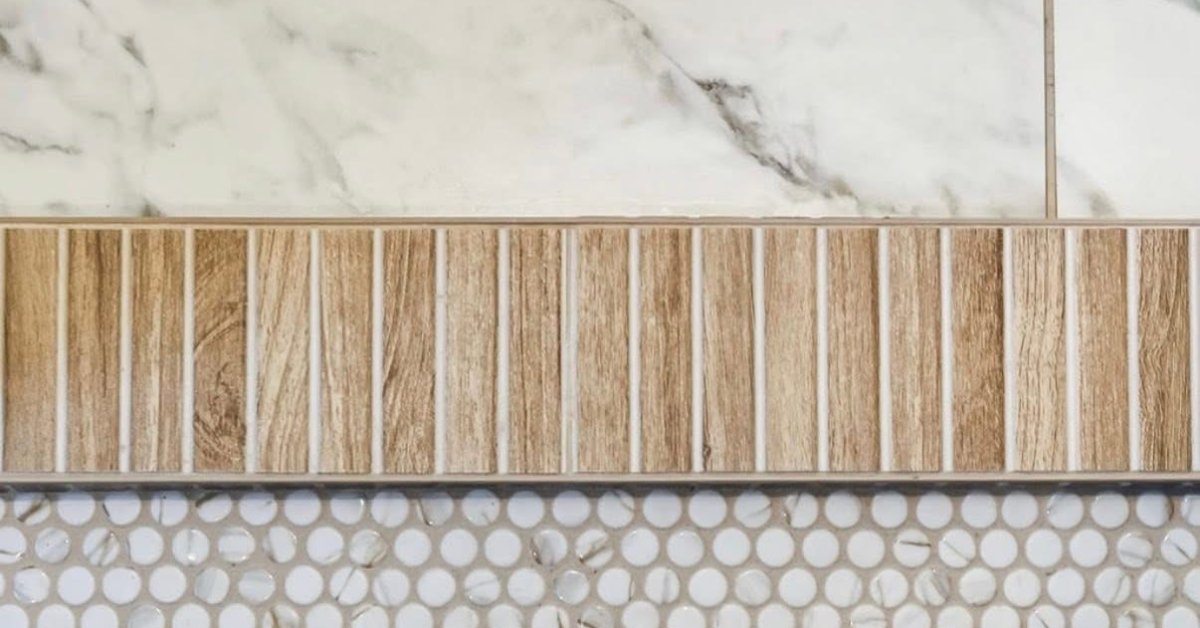
Color creates one of the strongest visual impressions in any tiled space, which makes it an important part of your decision. Light tones can support a bright, open appearance, while deeper shades can add richness, contrast, and visual weight. Neutral colors often provide flexibility when surrounding finishes change over time, while expressive colors can establish a memorable design identity. Instead of considering the tile alone, compare its color with cabinetry, countertops, paint, furniture, fixtures, and other permanent elements.
Patterns can influence a room just as dramatically as color, whether they come from the tile itself or from the installation layout. Geometric designs can add energy, while understated arrangements can create a calmer and more streamlined appearance. Even simple tile options can take on a distinctive personality through thoughtful layouts that emphasize shape, direction, or repetition. The best approach supports your overall design rather than making individual elements compete for attention.
Tile size can change how you perceive a room, so consider scale carefully during the selection process. Larger formats can create broad visual surfaces with fewer grout lines, while smaller pieces can add texture, detail, and intricate movement. The dimensions of the room, surrounding architectural features, and intended layout should all influence your decision. Looking at actual samples can make it much easier to understand how a particular size will interact with the proportions of your space.
You should also think about transitions, edges, corners, niches, and other areas that can affect the final layout. A tile may look perfect as a single sample but create awkward cuts if its dimensions conflict with the room’s measurements. Careful planning can help installers create a more balanced layout and reduce unnecessary visual interruptions. Discussing tile dimensions early also gives your project team an opportunity to identify installation considerations before work begins.
A tile purchase involves more than choosing the sample that catches your eye first. Before ordering, confirm the intended application, dimensions, finish, quantity, layout, and installation requirements with the professionals involved in your project. Consider the entire room rather than making decisions around one isolated design element. Careful preparation can save time and make the buying experience much more productive.
Keep the following points in mind as you compare your options:
Online inspiration can help you discover styles, but seeing tile in person provides information that a screen cannot fully communicate. A showroom lets you examine true color, surface variation, scale, texture, sheen, and relationships between different materials. You can also compare several options side by side instead of trying to judge products from separate photographs. Hands-on experience can turn a broad collection of ideas into a focused and cohesive design direction.
Professional guidance adds another valuable layer to the showroom experience, especially when you need to balance style with practical requirements. Bring measurements, photographs, inspiration images, cabinet samples, countertop samples, paint colors, or other useful project materials when possible. These details give the showroom team a clearer understanding of your goals and can make comparisons more productive. You may also discover materials, formats, or combinations that you had not considered before seeing them in person.

Robert F. Henry Tile Company has served customers since 1933 with a commitment to quality, innovation, selection, and personal service. Our curated offerings include premium tile and stone, global imports, and Made in Alabama products that can support designs ranging from traditional and understated to modern and distinctive. Across any of our eight locations, our experienced team can help you with everything you need to know about buying and choosing tile. Visit Robert F. Henry Tile Company to experience our selection firsthand and start finding the right tile for your next space.