
Choosing the right tile for your home sets the tone and reflects your personal style. Ceramic and porcelain tiles are popular options, but their distinct qualities make them suited for different spaces. Understanding these differences is key to creating a beautiful, functional, and durable design. This guide will provide tips for choosing between ceramic and porcelain tile at home.
Ceramic tile has been a staple in homes for centuries, and for a good reason. It consists of natural clay that’s fired in a kiln, then often finished with a durable glaze. This process creates a tile that’s beautiful and practical. The glaze is what gives ceramic tile its color and pattern, offering an endless array of design possibilities, from classic subway tiles to intricate, colorful mosaics.
One of the main draws of ceramic tile is its versatility. It’s relatively soft compared to porcelain, which makes it easier to cut and install. This can be a significant advantage for DIY projects or in spaces with complex layouts. While it’s durable enough for most residential applications, it’s best for areas with light to moderate foot traffic.
Ceramic tile is also quite resistant to water, mainly when glazed. The glaze creates a protective barrier that prevents moisture from seeping into the clay body. However, if the tile is unglazed or the glaze chips, it can become more susceptible to water damage.
Thanks to its wide variety of styles and affordable price point, ceramic tile is a fantastic choice for many areas in the home.
Its lightweight nature and ease of cutting make it ideal for vertical surfaces. Think of a stunning kitchen backsplash or a beautifully tiled accent wall in a living room.
Glazed ceramic is perfect for shower walls, offering a water-resistant surface that’s easy to clean.
It works well for flooring in rooms like bedrooms or formal living rooms where foot traffic isn’t as heavy.
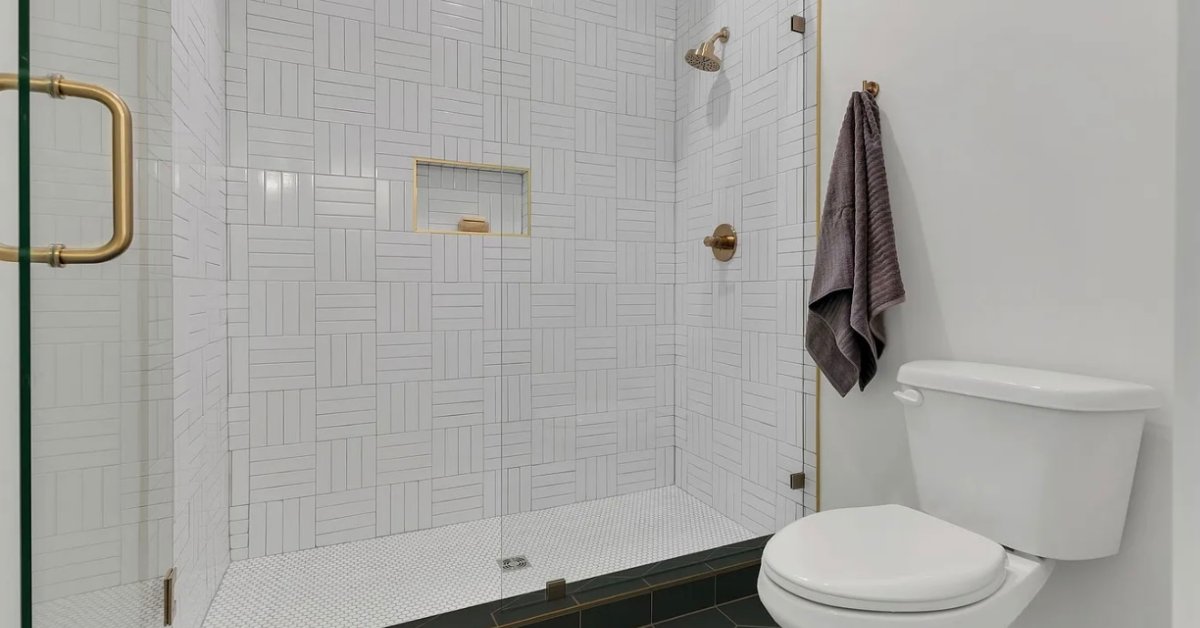
Porcelain tile is a type of ceramic made from a more refined and purified clay. This clay is fired at a much higher temperature, resulting in a tile that’s incredibly dense, hard, and durable. This manufacturing process gives porcelain its signature strength and makes it one of the toughest flooring options available.
Porcelain’s density is its superpower. It makes the tile exceptionally resistant to wear and tear, scratches, and stains. If you’re looking for a material that can stand up to the hustle and bustle of a busy household, porcelain is an excellent choice.
This density also gives porcelain superior water resistance. It absorbs very little moisture, making it a perfect fit for wet environments like bathrooms, laundry rooms, and even outdoor spaces. Many porcelain tiles are also “through-body,” which means the color and pattern run all the way through the tile. So if it does chip, the damage is much less noticeable.
Given its robust nature, porcelain shines in high-demand areas.
Entryways, hallways, kitchens, and family rooms are all prime locations for porcelain flooring. It can handle heavy foot traffic, pets, and dropped items with grace.
Its low water absorption makes it ideal for bathroom floors, shower floors, and steam rooms.
Many porcelain tiles are rated for outdoor use, making them an excellent option for patios, walkways, and pool decks, as they can withstand freeze-thaw cycles without cracking.
Large-format porcelain slabs are becoming a popular choice for countertops, offering a durable and seamless look.
Now that you have a better sense of each tile, let’s break down their head-to-head comparison in the areas that matter most to homeowners.
Porcelain is the clear winner when it comes to durability. Its dense composition makes it more resistant to scratches, chips, and heavy impacts. Ceramic is still a strong material for many residential uses, but for areas that see a lot of action, porcelain provides superior longevity.
Again, porcelain takes the lead. It has a very low water absorption rate, making it almost waterproof. This is crucial for spaces prone to moisture, like bathrooms and basements. Glazed ceramic tile performs well in damp areas, but any cracks in the glaze or grout can allow water to penetrate, potentially leading to damage over time.
Both ceramic and porcelain offer a vast range of colors, patterns, and finishes. You can find options that mimic natural stone, wood, and concrete. However, because porcelain can be used to create very large-format tiles and through-body designs, it often offers more sophisticated and modern aesthetic possibilities. Ceramic, on the other hand, excels in handmade, artisanal styles with rich glazes and classic shapes.
Generally, ceramic tile is more budget-friendly than porcelain. The materials and manufacturing process for ceramics are less intensive, which translates to a lower price tag. While porcelain’s durability can make it a better long-term investment, ceramic offers a high-quality look for a more accessible cost, especially if you’re covering a large area.
Your final decision will depend on a combination of practical needs and personal taste. Here are the key factors to think about.
Where will you install the tile? A high-traffic kitchen floor has very different needs than a guest bathroom wall. Match the tile’s durability and water resistance to the demands of the space.
Determine how much you’re comfortable spending on both materials and installation. Remember that porcelain can be more challenging to install, which may increase labor costs.
What look are you trying to achieve? Do you want a rustic, handmade feel or a sleek, contemporary one? Collect inspiration photos to guide your aesthetic choices.
Both tile types are relatively easy to clean, typically requiring just regular sweeping and mopping. However, grout lines will need periodic sealing to prevent staining and mildew, regardless of the tile you choose.
Proper installation is key to ensuring your tile looks great and lasts for decades. Porcelain’s hardness requires special tools for cutting, so leave it to professional installers. Ceramic is more forgiving for DIYers, but a professional touch ensures a flawless finish.
For maintenance, a simple routine is all you need. Sweep or vacuum regularly to remove dirt and grit that could scratch the surface. Mop with a pH-neutral cleaner and water to keep your tiles sparkling. Additionally, avoid harsh, abrasive cleaners that can damage the glaze or grout.
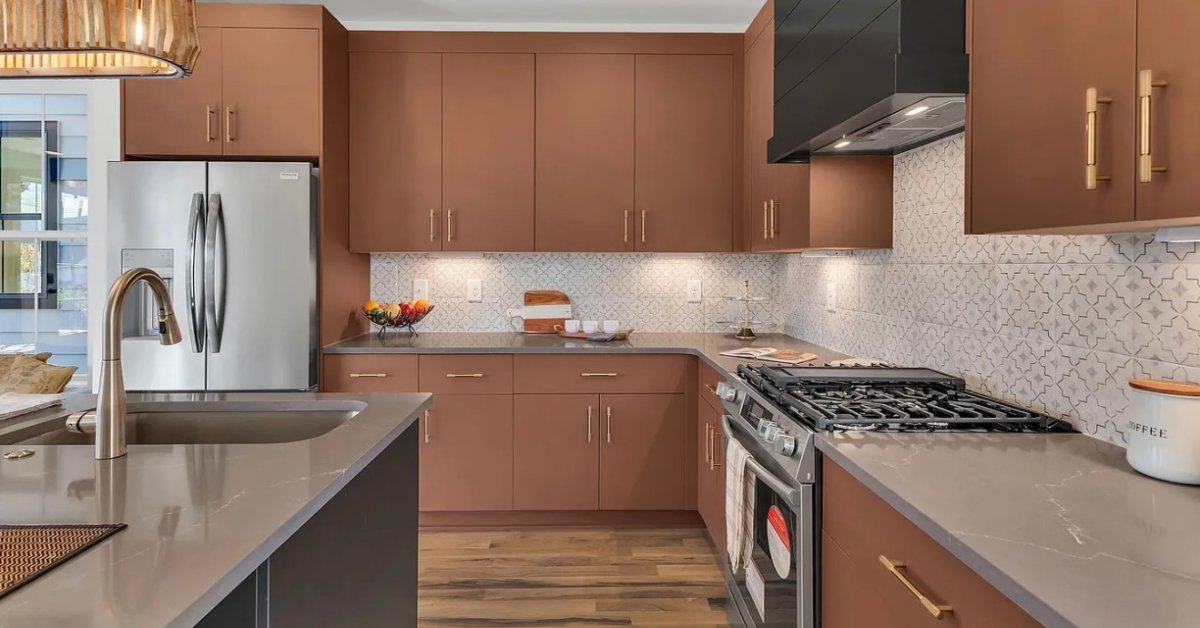
Choosing between ceramic and porcelain tile doesn’t have to be overwhelming. By considering the specific needs of your space, your budget, and your personal style, you can select a tile that beautifully complements your home.
The best tile is the one that fits your life and helps you create a space you love. If you’re in need of a unique and luxury tile company, the experts at Robert F. Henry Tile are here to help. Contact us today to bring your vision to life.