
Choosing the right tile shapes the entire look and performance of your space. Many homeowners and contractors compare rectified and non-rectified tile before making a final decision. Each option offers distinct visual and installation benefits that impact the finished result.
Here at Robert F. Henry Tile Company, we guide customers through these details so that they can select tile with confidence. We break down the difference between rectified vs. non-rectified tile and which one may serve you best.
Rectified tile goes through a precise mechanical cutting process after firing. Manufacturers trim each edge to achieve uniform dimensions across every piece. This process creates sharp, clean edges that allow tiles to sit closer together. The result delivers a sleek, modern appearance with minimal grout lines.
Rectified tile works especially well in contemporary designs. Designers often choose it for large-format installations or seamless wall applications. The tight spacing enhances visual continuity across surfaces. This precision also highlights patterns and textures without interruption.
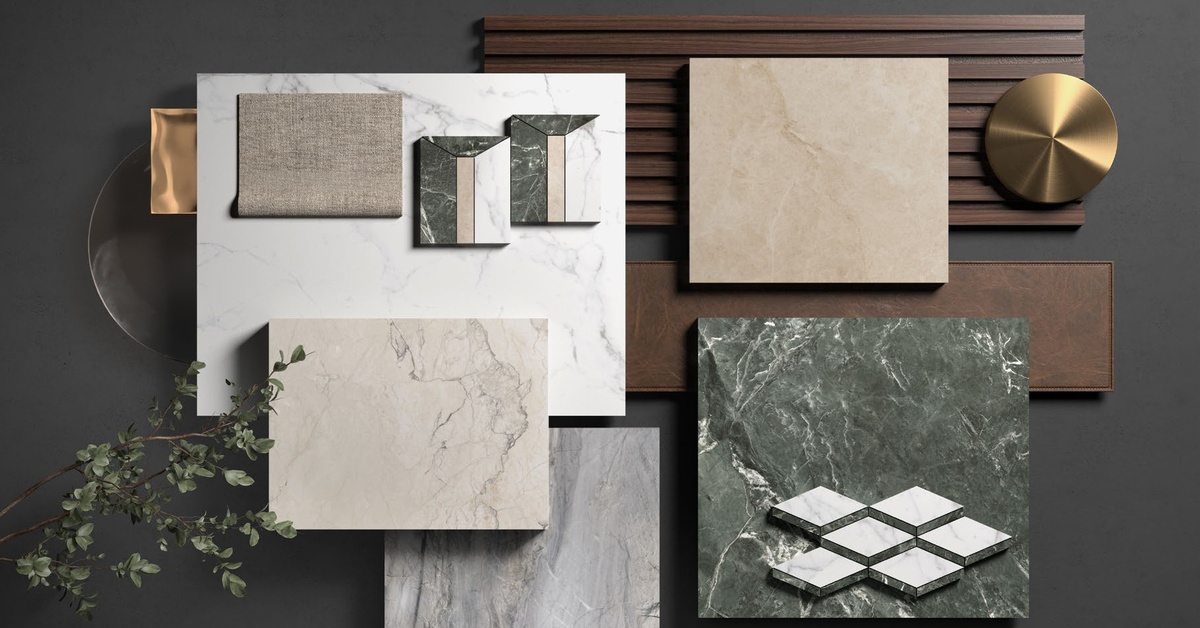
Non-rectified tile skips the edge-cutting step after firing. The kiln process naturally causes slight size variations and softer edges. These tiles feature a more traditional look with visible grout joints. Many homeowners appreciate the handcrafted, organic feel this style provides.
Non-rectified tile suits classic and rustic spaces beautifully. The wider grout lines create visual separation between tiles. This spacing accommodates minor size differences during installation. The finished look feels warm, textured, and inviting.
The most noticeable difference between these tile types appears in the final design. Rectified tile creates a clean, uniform surface with tight grout lines. Non-rectified tile introduces variation and texture through wider spacing. Each style influences the overall aesthetic of the room.
Modern spaces often benefit from the streamlined look of rectified tile. Traditional designs gain character from the softer edges of non-rectified options. Lighting also interacts differently with each surface. Rectified tiles reflect light more evenly, while non-rectified tiles create subtle shadows along grout lines.
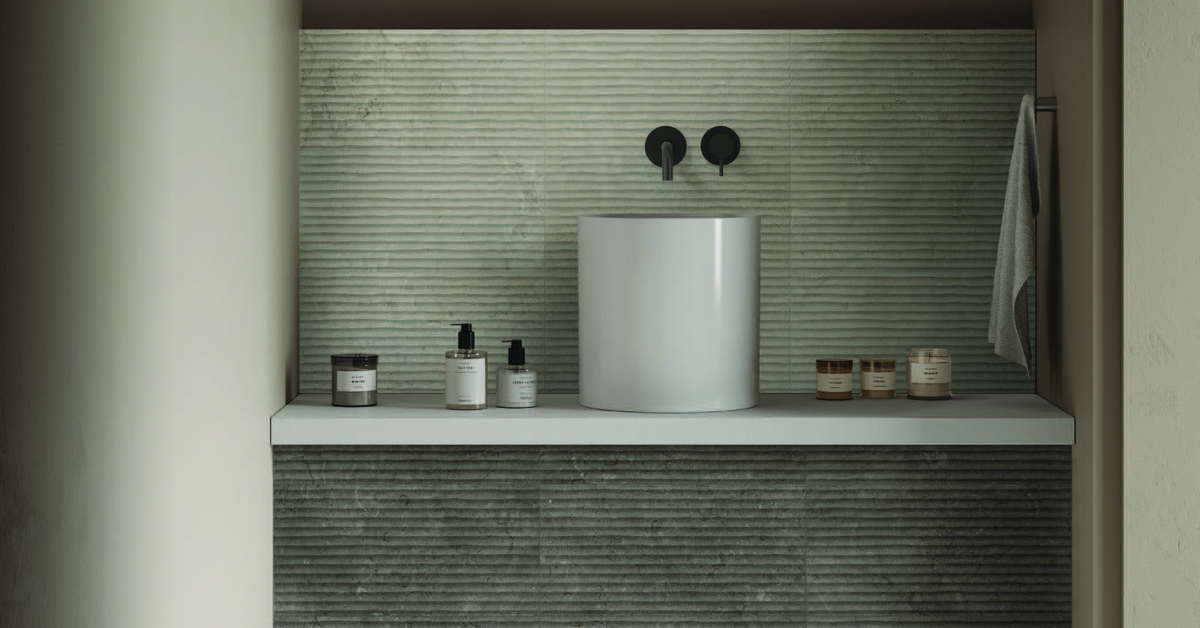
Installation methods differ significantly between these two tile types. Rectified tile requires a highly level substrate to prevent lippage. Installers must use precision tools and techniques to maintain consistent spacing. Even minor surface imperfections can affect the final result.
Non-rectified tile allows for more flexibility during installation. The wider grout joints can disguise slight inconsistencies in tile size or subfloor conditions. Installers often find this option more forgiving. This flexibility can reduce installation time and complexity in certain projects.
Grout lines play a major role in performance and design. Rectified tile typically uses narrow grout joints, sometimes as small as 1/16 inch. These tight lines create a nearly seamless surface. Proper spacing ensures structural integrity while maintaining the desired look.
Non-rectified tile requires wider grout joints to accommodate size variation. These joints often range from 1/8 inch to 3/16 inch or more. The added space allows for easier alignment during installation. It also contributes to the tile’s classic visual appeal.
Cost often influences the final tile selection. Rectified tile usually comes at a higher price due to the additional manufacturing process. The precision cutting increases production time and equipment use. Installation costs may also rise due to the need for skilled labor and careful preparation.
Non-rectified tile typically offers a more budget-friendly option. The simpler production process keeps material costs lower. Installation can also require less time and precision. This combination makes it a practical choice for many homeowners and contractors.
Each tile type performs best in specific environments. Rectified tile works well in modern kitchens, bathrooms, and commercial spaces. Its clean lines complement minimalist and contemporary designs. Large-format tiles benefit the most from rectification due to their scale.
Non-rectified tile excels in traditional homes and textured designs. It fits perfectly in rustic kitchens, cozy bathrooms, and outdoor areas. The wider grout lines enhance slip resistance in certain applications. This versatility makes it a reliable choice for a variety of projects.
Once you understand the advantages and limitations, your decision will be easier. Both tile types offer unique benefits depending on your goals. Consider the following key points before making your selection:
This comparison clarifies which option aligns with your design vision. Every project has different priorities, so weigh these factors carefully.
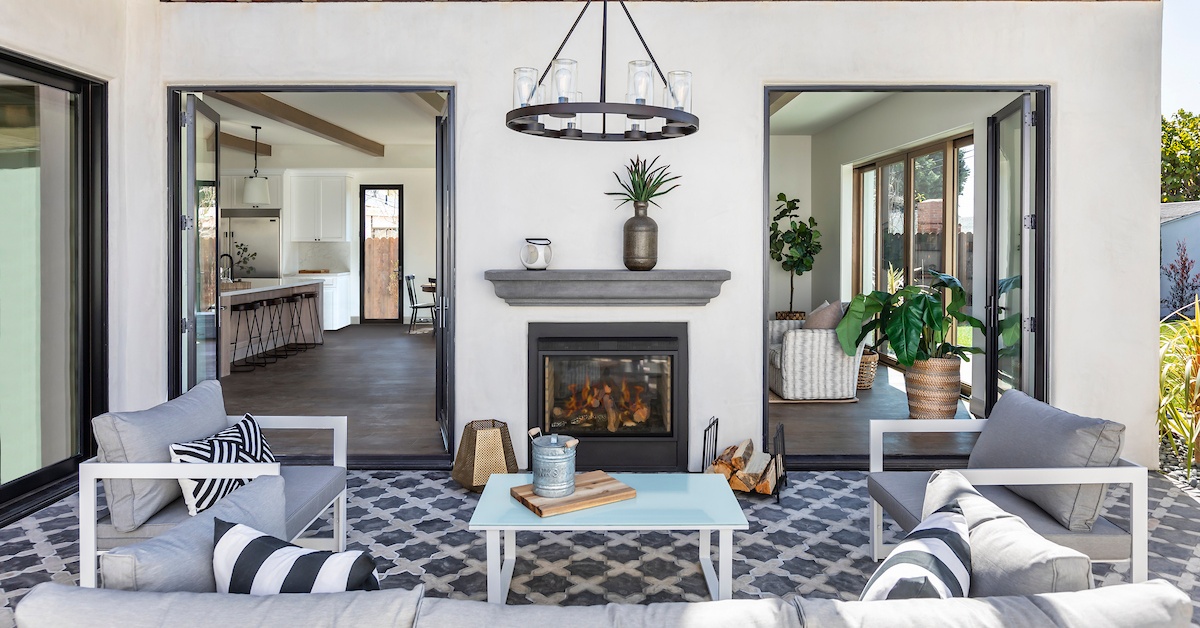
Start by identifying the style you want to achieve in your space. Clean, modern designs often call for rectified tile with minimal grout lines. Warm, traditional spaces benefit from the character of non-rectified tile. Your design goals should guide the decision from the beginning.
Next, evaluate the installation environment and budget. Uneven surfaces may favor non-rectified tile due to its flexibility. High-end projects with precise finishes may justify the investment in rectified tile. Balancing aesthetics, cost, and installation needs ensures the best outcome.
Tile selection goes beyond choosing a style or finish. Quality materials ensure long-term durability and performance. Expert guidance can help you avoid costly mistakes during installation. That combination makes a significant difference in the final result.
For over 90 years, Robert F. Henry Tile Company has built a reputation for excellence in sourcing and supplying premium tile. Our team understands the nuances between tile types and installation methods. We help customers navigate options across a wide range of ceramic and porcelain tile to match their exact needs. Every project benefits from our commitment to craftsmanship and customer support.
Rectified and non-rectified tile each serve a distinct purpose in design and construction. Rectified tile offers precision, clean lines, and a modern finish. Non-rectified tile provides warmth, flexibility, and a more traditional appearance. The right choice depends on your style and installation requirements.
When you understand these differences, you can make a confident and informed decision. Our showroom team is here to help you explore options and find the perfect fit for your space. Visit one of our five showrooms today to see these tile types in person and experience the difference firsthand.
